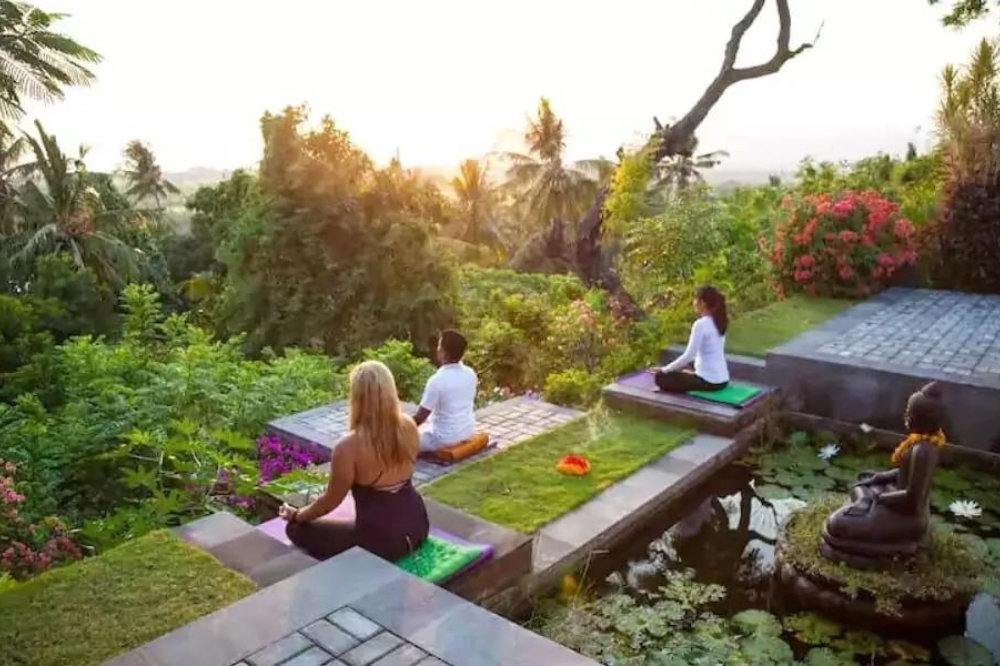
When we hear about yoga, the first thing that comes to mind is posture and various yoga asanas, but wait, there is much more to it. Yoga is an ancient practice that people have been practicing for tens of thousands of years that goes beyond just physical postures. Many view yoga as a holistic approach to their overall well-being that aims to create harmony between the spirit, body, and mind.
A core concept in yoga is called prana, which is a subtle energy that is believed to be the life force that generally flows through all living things. Our breath plays a crucial role in practicing yoga and acts as a bridge between the physical and other subtle aspects of our being. If we get connected with our breath continuously, then we will be able to unlock a wealth of benefits.
On the physical level, breathwork can benefit us by deepening our stretches, improving our core engagement, and optimising the overall energy flow. Moreover, focusing on breath can also help us calm our mind and reduce stress while cultivating a sense of mindfulness and presence. To summarise it, breath is the ultimatum to achieve anything through yoga and to know our full potential.
Why is breath important in yoga?
Have you ever paid attention to the first reaction anyone has when something goes wrong with their body during a practice? You will first be told to control and hold your breath, as it is so crucial in yoga, and there are two main reasons behind it:
A. Connection Between Breath and Movement (Asanas):
- Deepening Stretches and Improving Body Awareness: As we inhale, we can expand our body and lengthen it in a pose. When we coordinate our breath with the movement during the practice, it enables us to access deeper stretches and improves our overall awareness of the body, which allows us to achieve a more targeted and effective yoga practice.
- Optimising Energy Flow Throughout the Body: In yoga, it is believed that the breath is the optimal energy that controls the overall flow of prana, which is the life force within the body. When you focus on smooth and even breaths, it helps you optimise the overall energy flow and results in improving your practice while potentially promoting overall well-being.
B. Breath and Mental Well-Being:
- Calming the Mind and Reducing Stress:When we begin to focus on breath, it naturally draws all our attention inward, which helps in quitting the mind and reducing the chatter of thoughts. This practice can bring a sense of calmness and help reduce stress levels.
- Cultivating Presence and Mindfulness: Focusing on one thing helps us with concentration in another. When we pay close attention to the flow of breath in our body while both entering and leaving, it creates a sense of presence of mind in the present moment and mindfulness. Through this, we can be fully engaged in the moment of activities, both on and off the mat.
Breath Control Techniques for Yoga
Now that we know how powerful and impactful breath is in yoga, it’s time to explore some specific techniques that will help you enhance your overall effectiveness:
A. Ujjayi Breathing (Victorious Breath):
This breathing technique, often referred to as ocen breathing, is one of the most commonly used and popular forms of breathing used in pranayama.
Technique:
- Keep your mouth closed and start inhaling and exhaling the breath.
- Constrict your throat throughout the movement.
- Create a soft hissing sound with your breath, more like snoring.
- Control your breath with your diaphragm.
- Expand the abdomen during inhalation and engage the core while drawing the breath in.
- Keep the enhaling and exhaling of equal duration.
Benefits:
- Promotes the overall focus during the activity.
- It helps in maintaining a steady rhythm.
- Strengthens the core and stabilises the body.
- Helps in generating internal heat, aiding in detoxification.
- Releases tension from the body.
B. Dirga Pranayama (Three-Part Breath):
Dirga pranayama has a deep meaning, which translates to expanding the breath for a prolonged period of time. Dirgha, which means deep or prolonged in Sankrit when combined with pranayama, reflects this meaning.
Technique:
- Firmly inhale and go for three-step breathing.
- For the first step, inhale through the nose, let the belly expand, move breath to the lungs, and exhale.
- For step two, do the same, but add the breath to the rib cage as well, and then breathe out.
- For step three, move one step forward by adding breath to your upper chest as well, and then exhale.
- During exhalation, ensure to squeeze the belly until it is empty.
- Reverse the sequence while exhaling slowly.
Benefits:
- Helps in relaxing the body and mind.
- Promotes a sense of calm and well-being.
- Improves overall oxygen intake and lung capacity.
- Strengthen the digestive system and improve the immune system.
- Helps in reducing hypertension and high blood pressure.
C. Kapalbhati (Breath of Fire):
Kapalbhati is an energising technique also known as the breath of fire, which also translates as skull-shining breath.
Technique:
- Sit comfortably on the mat while keeping your spine erect.
- Keep your hands on your knees while your palms open upward.
- Take a deep breath in and focus on your exhaling.
- During exercise, pull your nevel back to the spine.
- Relax the navel and abdomen, and let your breath flow into your lungs automatically.
- Do it 20 times to complete one round of kapalbhati.
- Relax and do two more rounds of it.
Benefits:
- It helps in calming and uplifting the mind.
- It clears the subtle energy channels in the body.
- Helps in losing weight while increasing the metabolic rate.
- Enhances overall lung capacity and makes them stronger.
- Aid in detoxification and stimulate the digestive system.
Important Note:
While these breathing techniques are suitable for better breath control, it is essential to consult and take help from a qualified and skilled yoga teacher and perform them under their guidance before beginning the practice on your own. Especially for those who are dealing with some health concerns.
Tips for Deepening Your Breathwork
Take your breathwork to the next level and include these tips in your practice to unlock greater benefits:
Observe Your Natural Breath Patterns:
Before choosing any specific breathing technique and diving into the pose, take some time outside and simply observe the pattern of your natural breathing. You need to take into consideration the depth of it, its speed, and the rhythm it has.
Pay attention to whether it is rapid, shallow, deep, or slow, and utilise these awareness and observance to build the foundation for making conscious changes in your practice.
Lengthen Your Exhalations:
Many people don’t realise it, but it has become their tendency to take shallow and short breaths. For those, it might be difficult to hold the pose, and they would have to try lengthening their exhales.
So when you exhale, try squeezing out all the stale air from your lungs and stretching your stomach till it gets empty. This technique will naturally create the space for deeper and deeper inhalations.
Coordinate breath with movement:
As we discussed earlier, breathing works as a bridge between the stillness and movement of the body. To have great coordination, you need to try to synchronise your breath with each movement during your practice.
When you lengthen your body and expand in a pose, inhale. And during the fold and contraction, exhale. This will help you create a smooth flow and enhance the benefits of both breath and posture.
Practice breathwork outside of yoga sessions:
When benefits can be taken off the mat, then why not practice? Yes, to have better control and unlock your full potential, practice these techniques throughout the day whenever you need a moment of focus or feel stressed.
Breathing in our body impacts almost everything. So whenever you feel different, strain, or need concentration, even a few minutes of mindful breathing can make a big difference in your overall well-being.
Conclusion
To summarise, we have explored all the benefits you can get and the essentiality of mindfulness in yoga practice. Breath is the bridge without which you cannot connect the physical and subtle aspects of your body together. And when you consciously connect with it, you unlock the wealth of benefits it adds to your everyday life.
Both mental and physical well-being are important, and deep and mindful breaths help enhance both. While its physical benefits include improved flexibility, core engagement, and overall energy flow, on the other hand, it also has a profound impact on mental well-being by reducing stress, bringing focus, and relaxing the mind.
But while brinthing brings in all the benefits, consistent practice is the key. All you need to do is integrate the breathwork into your yoga routine. Observe your breathing pattern and experiment with different breathing techniques. Remember, in the journey of yoga, breath is your guide. With focus, dedication, consistency, and exploration, you can take advantage of the complete benefits of your practice and get ahead in your well-being.
Get in Touch:
Best Yoga Teacher Training In Bali | 100 Hour Yoga Teacher Training In Bali | 200 Hour Yoga Teacher Training In Bali