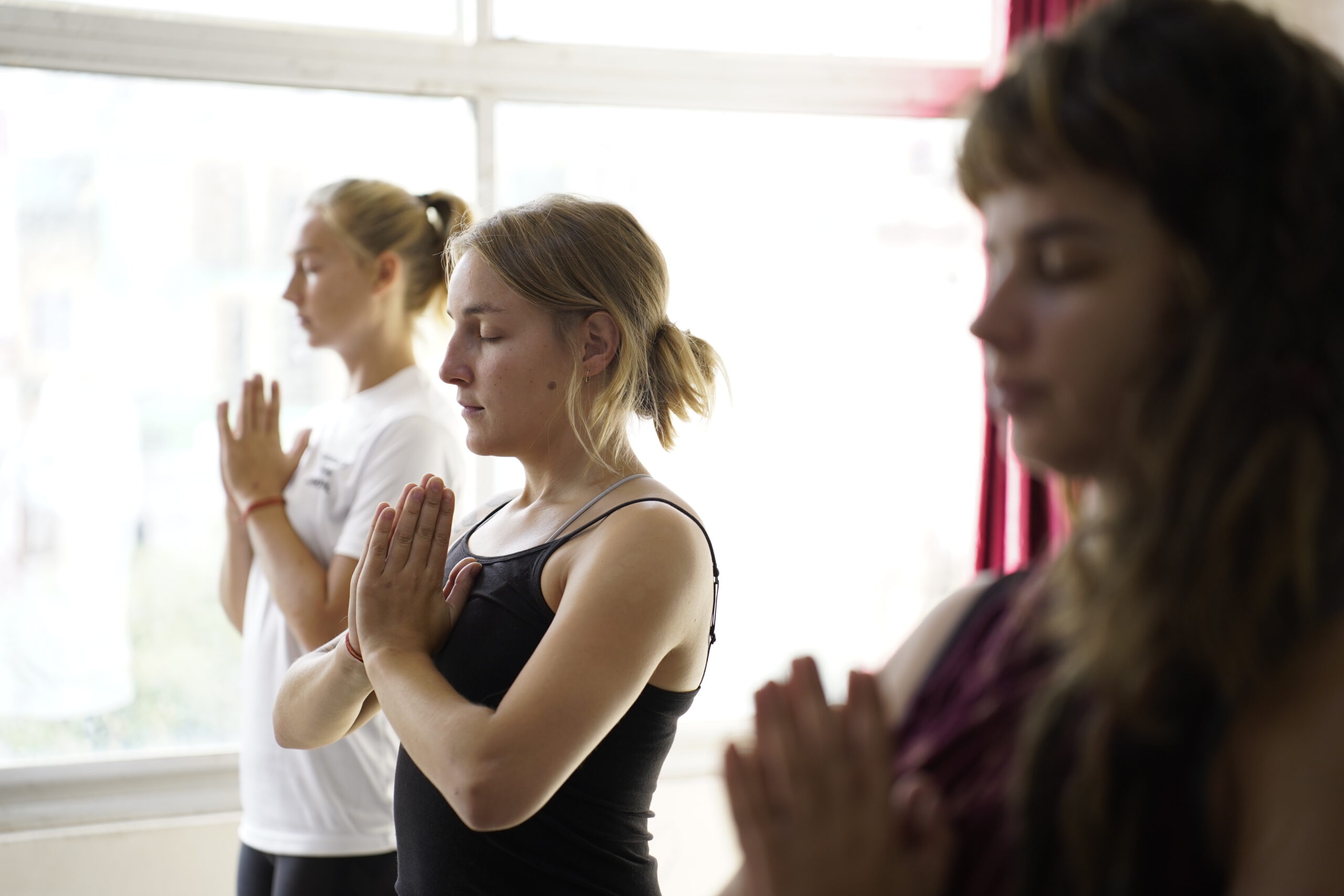
A big warm pat on the back, thumbs up, and round of applause for all the yogis who are done with their yoga teacher training course; that in itself is a huge feat. Cultivate the qualities of taking deep breaths and smiling as you are here now after a successful go-through of this difficult task.
This journey wasn’t easy. You spent countless hours studying, reviewing, and expanding the scope of your practice as well as the intensity of your physical and mental training. But guess what? You did it! Once again, you are ready to pass on the light to others who have the knowledge and experience of yoga.
Thus, the path now available is filled with images of opportunities. It’s your opportunity to encourage young people to start practicing this beautiful discipline, build a healthy and strong yoga community, and enhance your own practice. The yoga teaching profession is at a thrilling age, and it is our privilege to help you plan the next one.
So let’s begin to know the five things that you can do after completing your yoga teacher training.
Celebrate, Recharge, and Remember: Learning Never Ends
Let’s be honest: It is worth noting that yoga teacher training is not a walk in the park! You have enrolled your mind in an information university, tested your body to its limits, and probably found new muscles that you did not know you had. Before proceeding, take time to congratulate yourself, for this is the reward for all your hard work, effort, and commitment. You deserve it!
Before you jump into the teaching chair and demonstrate every downward-facing dog pose to all your students, do not forget to take care of yourself during this transition. Such a break helps; let yourself have some time to rest. Try doing an Artsar yoga session, going for a nature walk, or just enjoying a guilt-free nap (Savasana, anyone?).
When a teacher gets adequate rest, it means that he or she will be much more effective in teaching the students as compared to a teacher who is so exhausted. This point was frequently put up in the interviews conducted, as it is necessary to give your mind and body an adequate amount of rest and enjoy the time being.
Here’s the thing about yoga teacher training: That is just the tip of the iceberg! The sphere of yoga is also extensive and still developing. Encourage the idea of continued learning for a person when he or she is no longer in that position.
Go to workshops, try new styles of practicing, and be interested in the philosophy and practice of yoga. This process of learning will also positively affect your students and, at the same time, help you to continue updating your own practice.
Deepen Your Personal Practice: Stay Lit From Within
There is one thing that you should always remember, even after the completion of your yoga teacher training course: never let the inner spark of passion fade. This will help you maintain a strong personal practice that will ultimately result in you becoming a truly exceptional yoga teacher and will allow you to:
- Refine your skills and alignment: Unlike reading about a famous painter and seeing a copy of a painting, there is something primal that occurs in witnessing, reading about, or acting on one’s own observation of a pose, which assists in the teaching process as knowledge when you are a little further down the ‘practice road.’
- Stay connected to your breath. Yoga involves many other things apart from the physical exercises. On this schedule, it becomes easier to develop the practice of focusing on the breath, which is an essential tool used in counteracting stress and keeping one’s concentration high, as well as promoting its consistent use, which is desirable for the development of a teacher and passing on to students.
- Embrace the student mindset: Practicing yoga as a student is an effective way of maintaining humility while stepping into your classroom. This allows you to face the daily challenges as well as meet the enthusiasm of your students. It will also resolve into making you more patient and understanding, which will make you a more relatable teacher.
Making Time for Your Mat:
As we can understand, it is always challenging to create a new habit within the framework of teaching. Here are some tips for creating a consistent practice that fits your busy schedule:
- Start small: Ideally, it is more effective to, for example, have 15-20 minutes of practice on most days of the week, not one hour on one day of the week. Consistency is key!
- Find your ideal time. Find out whether you are more of a morning person and need something to wake you up or whether you are more of a night person and need help to wind down.
- Embrace variety: It is always nice to switch between various types of yoga (Yin, Vinyasa, and restorative) and find the one that suits you at the moment best.
- Make it a ritual. Design an area exclusively for the practice, no matter how small it is; it could be the corner of your room. Light a candle, set an intention, and let the vibe of the intent occur.
The benefits flow both ways:
A strong personal practice is not an ego trip; it is for the betterment of each teacher and is directly linked to teaching. You will give off a feeling that is so good that your students will want to transfer it to others.
Further, by feeling the impact and effecting the transformations in your own practice on the yoga mat, you will be in a better position to facilitate your students’ yoga process. Thus, spread your mat, take a seat, touch your soul and the inner yogi, and let your bulb glow!
Build Your Teaching Skills and Confidence: Practice Makes Progress!
Congratulations! You now have your personal yoga routine down pat, but the real deal is when you then teach it to other people. It is the right time to develop the teaching abilities and to gain the self-assurance to come up with motivational classes.
While landing your dream studio gig might be the ultimate goal, remember: Yes, this practice is making progress! Here are some creative ways to gain valuable teaching experience outside the traditional studio setting:
- Spread the Yoga Love in Your Community: Offer your teaching skills at community and senior centres or in rehabilitation centres. This enables you to shape the sequencing, communication, and need to address the various clients individually.
- Gather Your Tribe: Provide the services of the classes for free or take donations from friends and family. It opens a door for the learner to practice, get some responses, and be more confident while doing the actual yoga teacher training course.
- Embrace the Digital Yogi Life: Research sites that can help a teacher teach students. Remember, safety is paramount. One should only deal with reputable sites that have appropriate measures for sorting and selecting their candidates.
Beyond the Mat:
In building a teaching repertoire, you cannot just confine yourself to leading a yoga teacher training class. Consider these additional avenues for growth:
- Workshops and masterclasses: Surround yourself with the knowledge of instructors who have been around the block a few times. It is great to have workshops to be trained on new skills; maybe insert the new techniques for teaching or meet other yogis.
- Assist Established Teachers: Propose to help a professional teacher in his or her studio. This means that one should be able to watch how a teacher instructs the students, how they interact with them, and how they conduct the yoga teacher training class. This invaluable experience will contribute to your own teaching development to a greater extent.
It is important to remember that yoga teaching career development is a step-by-step process, and becoming a confident, sought-after yoga instructor takes time and hard work. Create learning moments out of all opportunities to practice and implement the acquired knowledge. In the near future, you will be delivering invigorating classes with the same passion and understanding that shaped your yoga journey.
Network and Connect with the Yoga Community: You’re Not Alone!
Yoga teachers do not walk alone on the path. The growth and wellbeing of any yoga professional highly depend on the network you create within the yoga community. Here’s why:
- Support and Inspiration: Be with like-minded people who will support your interest in yoga. This network can provide a lot of help, exchange lesson plans, and motivate you throughout your teaching practice.
- Collaboration Opportunities: Relationships with other teachers imply opportunities for interesting cooperation: collaboration in creating teachers’ worships, visiting each other’s yoga teacher training classes to give several classes there, or creating together online yoga classes.
- Studio Leads and Referrals: Connections A good network within that particular region can help one get teaching positions at the studios one looks up to. Another informal technique that is quite influential is getting positive recommendations from other yoga teachers.
Cultivating Your Yoga Tribe:
At the present, there are so many methods through which one can interact with the active members of the yoga club. Here are a few ideas to get you started:
- Hit the Local Yoga Scene: Go to as many workshops, yoga festivals, and any other occasion that is being staged in your region as possible. These assemblies present an opportunity to meet other yoga enthusiasts, interact with tutors, and learn about new approaches to the art of yoga.
- Join the Online Conversation: Online yoga teacher training forums should also be of great help. Post your opinions here, have more knowledge in discussions, and be friends with yogis from all over the world.
- Embrace Social Media: There is a list of recommendations for promoting your yoga practice, including Instagram and Facebook accounts to demonstrate your practice, post inspiring contents, and find like-minded people.
Building a Secure Foundation:
When approaching the process of becoming a teacher, think about whether yoga insurance is necessary. It shields you and your students in instances where there might be accidents with the kids falling and getting injuries.
Even if it merits a stand-alone blog post on yoga insurance, remember to take your time to do your homework on the best insurance plan to go for. Yoga takes time to study properly before you make your plans, so consider that while selecting an insurance policy.
That is why it is most important to remember that it requires time and effort in order to create a good network. Hold back, be natural, and engage yourself in the yoga community. Very soon, you will have strong support from a network that will enable you to grow as a yoga teacher!
Conclusion: Take action and keep growing!
A long way you have come, Yogi. Take a moment to celebrate this incredible achievement: you are a certified yoga teacher after finishing your yoga teacher training and are thus able to teach others about the miracle of yoga. When switching from one environment to another, ensure you, too, focus on developing your practice. With regular practice, you keep your muscles fine-tuned, your mind focused, and your link with yoga in tact.
It is never advised to sit and wait for the perfect moment; strive to gain more teaching experience! Free, network, or spend hours on practice utilising the services of volunteers, finding like-minded people, or going online. Manage the network of the yoga community, go to some meetings and workshops, and get to know more teachers. Do not surround yourself with people that will dull your light on this journey; get a squad that will support you.
It would seem that the yoga world would like to get to know you and your passion. So, take action! Go start that free class you always wanted to, or just simply call your studio. Just always bear in mind that, in terms of teachers, the best are those who continue to learn. Stay learning, keep the fire burning within, and prepare yourself for your yoga teaching journey. You can do this!
Get in Touch:
Best Yoga Teacher Training In Bali | 100 Hour Yoga Teacher Training In Bali | 200 Hour Yoga Teacher Training In Bali


