Tag: best yoga teacher training in bali

  • Why A Teaching Vacation Might Be The Perfect Fit For You: 5 Insightful Reasons

    Why A Teaching Vacation Might Be The Perfect Fit For You: 5 Insightful Reasons

    Do you ever sit at a desk and gaze out a window and wish you could be somewhere like a beach in Hawaii or a city in Thailand? You may be a teacher who enjoys the process of enlightening people and improving their lives. If travel were incorporated with teaching, in a sense, how would it be? Have you ever imagined that?

    Discover the world of teaching vacations, a fascinating possibility for those who would like to travel and use their skills as teachers at the same time. Think about giving yoga lessons in the sun-kissed Caribbean, conducting a language camp in a picture-perfect European town, or inculcating art with the students in a distant foreign land.

    Teaching vacations present an incredible opportunity to explore the world, apply your teaching skills, and change the world for the better. But that’s not it. Here are the 5 reasons, which we are going to explain via this blog, to help you make a firm decision.

    5 Reasons Why a Teaching Vacation Might Be Perfect for You:

    Reason 1: Travel and Explore While You Work

    Imagine this: instead of intensively calculating in a dry office and looking at narrow tables, you are inspiring students in yoga on a beautiful beach in Costa Rica. Or imagine yourself as an enthusiastic leader of a young learners’ foreign language summer camp in a picturesque Italian sólo with wines and ruins around. Teaching vacations basically enable you to travel to a new area and, at the same time, practice teach abroad.

    It may also be noted here that the strategies of teaching vacations are enjoyable due to the very diversification of teaching vacations. Such programmes are found all over the world—in universities, business, industry, science, and many other areas—to match as many interests and abilities as possible. Here are just a few examples:

    • Language Immersion Programmes: Teach English as a foreign language and/or conduct conversation or special subject lessons in a new country. Enable students to achieve language practice and confidence while, at the same time, becoming familiar with the local culture.
    • Cultural Exchange Programmes: Promote tolerance and cultural awareness in children by explaining the cultural background of your country to them. It could be through drawing, painting, or sculpture, teaching others how to go about any traditional African craft, or narrating historical stories.
    • Volunteer teaching programmes: support educational initiatives in deprived parts of the country, continent, or globe. They may be teaching the simplest forms of reading and writing, issues regarding the environment, or even job training, while at the same time embracing the different cultures within that country.

    Reason 2: Share your knowledge and make a difference.

    Teachers’ jobs are always desirable, and teaching vacation opportunities are a possibility to make an individual’s passion and experience known to as many students from various backgrounds as possible. You’ll have the opportunity to:

    • Empower students: the fount of knowledge, the curiosity that you nurture in students, and the pleasure obtained from learning. Guide them on how to acquire new sets of skills, learn, and grow to become more than what they are.
    • Promote Cross-Cultural Understanding: Teaching vacation creates an interpersonal relationship between people from different cultures. You can challenge the stereotype system and establish conditions for communication and tolerance with other people.
    • Leave a lasting impact: It is evidence that the knowledge and skills you impart to learners can alter their lives in a positive manner. You might be the person who helps determine their options and dreams for the future.

    Reason 3: Immerse Yourself in a New Culture

    Teaching vacations are much more culturally stimulating than most sightseeing and other types of tourists’ entertainments. You will be able to escape the typical tourists’ traps and explore more of a new culture, which is way different.

    • Authentic Experiences: By sharing the same environment with the citizens of a chosen state, it will be possible to study their habits and traditions and even try to join their everyday lives.
    • Language Immersion: To some extent, knowing that the language immersed around you is real improves your own learning experience as well.
    • Cultural Exchange: Be willing to talk to the local people, exchange stories, and try to identify with their points of view.

    Reason 4: Develop New Teaching Skills and Gain Fresh Perspectives

    Sometimes it is effective to practice in a setting other than the classroom in order to improve your teach abroad.

    • Adapt to New Challenges: It becomes even more exciting when the system is completely different from that which one is used to, for example, when you are forced to operate under very few resources, as may be realised when one shifts from teaching in a metropolitan city with their host of resources to a place in a different country with few or no resources at all.
    • Learn from others: Watch teachers and find out how they work in a new setting and what unexplored techniques may be applied to your practice.
    • Enhance Your Communication Skills: It is always very essential for any individual, especially students and college personnel, to improve their communication skills while interacting with students and other personnel from a different cultural background.

    Reason 5: Step Outside Your Comfort Zone and Challenge Yourself

    As mentioned earlier, teaching vacations are not a form of professional development only; they are a form of personal development. Leaving your comfort zone might precipitate anxiety, but at the same time, it liberates a lot of growth in the human personality.

    • Boost Confidence: Try to picture a situation where you are in a new town and, more to a point, in a new country where they speak a different language and have a different culture. Negotiating between yourself and the locals, learning how to get from one point to another, and how to effectively conduct your classes will be a big achievement. Overcoming these challenges helps boost self-esteem and shows that one is capable of handling new things that come their way.
    • Embrace New Challenges: Teaching vacations, however, is not cast in the same mold. You might encounter unexpected situations. This is because, whereas a normal lesson plan is supposed to be implemented as planned, a lesson plan may require alterations given the approach that appeals to a diverse learning style, or they may be a result of cultural differences. This challenges you to come up with a better way to do a given task, look for a solution on your own, and so on. Gaining experience and understanding of how to solve problems on the fly creates resilience and effectiveness.
    • Discover Hidden Strengths: It is very unlikely that, in a different school setting, potential that you never thought existed in you can be discovered. Perhaps you have a talent to make difficult subjects easier, or you just have this certain something that makes you easily approachable by students of different kinds. The highlights are that such experiences can promote awareness of untapped potential and interests that one can bring back into the normal routine.

    Teaching vacations challenges you to step out of your comfort zone, and that is actually a plus. It challenges you to become better, be changed, and develop one’s characteristics to the highest level possible. Upon your return, you will be equipped with a wider array of skills to teach, and you will be a changed person, more confident, and with a better sense of self.

    Conclusion

    Thus, are you now ready to accept that teaching vacations could just be made for you? Let’s recap the incredible opportunities they offer:

    • Travel and Explore: Take the job of teaching with you and work while travelling to beautiful locations that you have always dreamed of going to.
    • Share Knowledge and Make a Difference: Help students become the leaders of tomorrow, embrace cultural diversity, and actually change the course of their lives for the better.
    • Immerse Yourself in a New Culture: Forget the cliches and stay with the people. Be amazed at a more authentic way of living in a new culture.
    • Develop New Teaching Skills: It contributes to the development of new skills to learn from teachers and scholars, adjust to new challenges, and improve interpersonal communication.
    • Step Outside Your Comfort Zone: Self-improvement activities are useful for building up your skills, gaining confidence, and developing talents that might have been unknown to you before.

    If this sounds like fun for you, then do not wait; go for it! Look for teaching vacation programmes that are in line with the targeted interests and educational background. So, there are lots of opportunities to travel the world and in profession as well. Get your luggage, be an inspiring teacher, and prepare for an inspiring ride!

    Get in Touch:
    Best Yoga Teacher Training In Bali | 100 Hour Yoga Teacher Training In Bali | 200 Hour Yoga Teacher Training In Bali
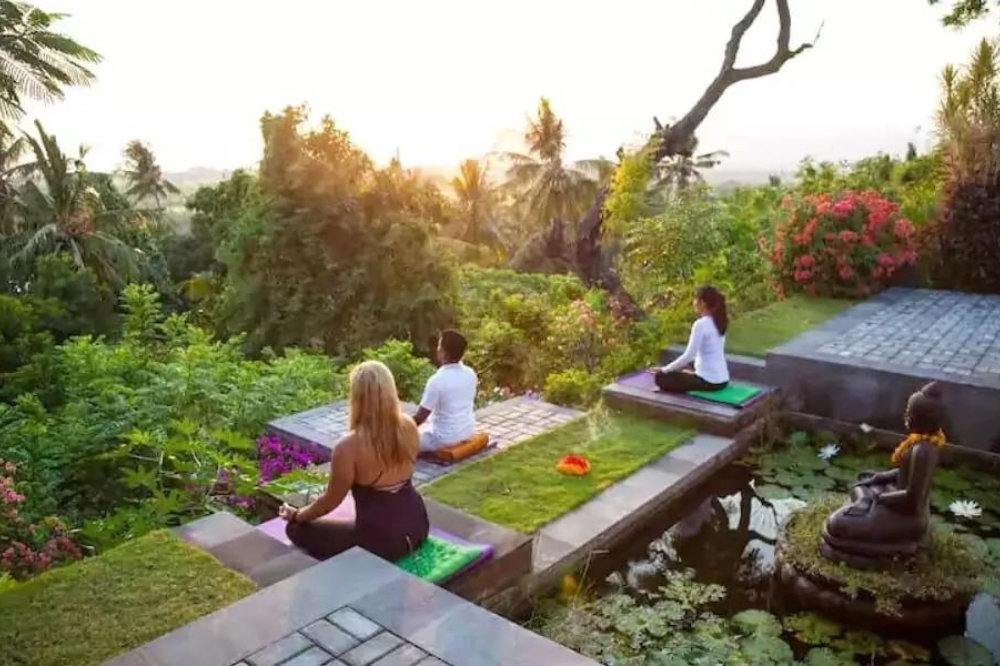
  • The Importance of Breath in Yoga: Techniques for Deepening Your Practice

    The Importance of Breath in Yoga: Techniques for Deepening Your Practice

    When we hear about yoga, the first thing that comes to mind is posture and various yoga asanas, but wait, there is much more to it. Yoga is an ancient practice that people have been practicing for tens of thousands of years that goes beyond just physical postures. Many view yoga as a holistic approach to their overall well-being that aims to create harmony between the spirit, body, and mind.

    A core concept in yoga is called prana, which is a subtle energy that is believed to be the life force that generally flows through all living things. Our breath plays a crucial role in practicing yoga and acts as a bridge between the physical and other subtle aspects of our being. If we get connected with our breath continuously, then we will be able to unlock a wealth of benefits.

    On the physical level, breathwork can benefit us by deepening our stretches, improving our core engagement, and optimising the overall energy flow. Moreover, focusing on breath can also help us calm our mind and reduce stress while cultivating a sense of mindfulness and presence. To summarise it, breath is the ultimatum to achieve anything through yoga and to know our full potential.

    Why is breath important in yoga?

    Have you ever paid attention to the first reaction anyone has when something goes wrong with their body during a practice? You will first be told to control and hold your breath, as it is so crucial in yoga, and there are two main reasons behind it:

    A. Connection Between Breath and Movement (Asanas):

    • Deepening Stretches and Improving Body Awareness: As we inhale, we can expand our body and lengthen it in a pose. When we coordinate our breath with the movement during the practice, it enables us to access deeper stretches and improves our overall awareness of the body, which allows us to achieve a more targeted and effective yoga practice.
    • Optimising Energy Flow Throughout the Body: In yoga, it is believed that the breath is the optimal energy that controls the overall flow of prana, which is the life force within the body. When you focus on smooth and even breaths, it helps you optimise the overall energy flow and results in improving your practice while potentially promoting overall well-being.

     B. Breath and Mental Well-Being:

    • Calming the Mind and Reducing Stress:When we begin to focus on breath, it naturally draws all our attention inward, which helps in quitting the mind and reducing the chatter of thoughts. This practice can bring a sense of calmness and help reduce stress levels.
    • Cultivating Presence and Mindfulness: Focusing on one thing helps us with concentration in another. When we pay close attention to the flow of breath in our body while both entering and leaving, it creates a sense of presence of mind in the present moment and mindfulness. Through this, we can be fully engaged in the moment of activities, both on and off the mat.

    Breath Control Techniques for Yoga

    Now that we know how powerful and impactful breath is in yoga, it’s time to explore some specific techniques that will help you enhance your overall effectiveness:

    A. Ujjayi Breathing (Victorious Breath):

    This breathing technique, often referred to as ocen breathing, is one of the most commonly used and popular forms of breathing used in pranayama.

    Technique:

    • Keep your mouth closed and start inhaling and exhaling the breath.
    • Constrict your throat throughout the movement.
    • Create a soft hissing sound with your breath, more like snoring.
    • Control your breath with your diaphragm.
    • Expand the abdomen during inhalation and engage the core while drawing the breath in.
    • Keep the enhaling and exhaling of equal duration.

    Benefits:

    • Promotes the overall focus during the activity.
    • It helps in maintaining a steady rhythm.
    • Strengthens the core and stabilises the body.
    • Helps in generating internal heat, aiding in detoxification.
    • Releases tension from the body.

    B. Dirga Pranayama (Three-Part Breath):

    Dirga pranayama has a deep meaning, which translates to expanding the breath for a prolonged period of time. Dirgha, which means deep or prolonged in Sankrit when combined with pranayama, reflects this meaning.

    Technique:

    • Firmly inhale and go for three-step breathing.
    • For the first step, inhale through the nose, let the belly expand, move breath to the lungs, and exhale.
    • For step two, do the same, but add the breath to the rib cage as well, and then breathe out.
    • For step three, move one step forward by adding breath to your upper chest as well, and then exhale.
    • During exhalation, ensure to squeeze the belly until it is empty.
    • Reverse the sequence while exhaling slowly.

    Benefits:

    • Helps in relaxing the body and mind.
    • Promotes a sense of calm and well-being.
    • Improves overall oxygen intake and lung capacity.
    • Strengthen the digestive system and improve the immune system.
    • Helps in reducing hypertension and high blood pressure.

    C. Kapalbhati (Breath of Fire):

    Kapalbhati is an energising technique also known as the breath of fire, which also translates as skull-shining breath.

    Technique:

    • Sit comfortably on the mat while keeping your spine erect.
    • Keep your hands on your knees while your palms open upward.
    • Take a deep breath in and focus on your exhaling.
    • During exercise, pull your nevel back to the spine.
    • Relax the navel and abdomen, and let your breath flow into your lungs automatically.
    • Do it 20 times to complete one round of kapalbhati.
    • Relax and do two more rounds of it.

    Benefits:

    • It helps in calming and uplifting the mind.
    • It clears the subtle energy channels in the body.
    • Helps in losing weight while increasing the metabolic rate.
    • Enhances overall lung capacity and makes them stronger.
    • Aid in detoxification and stimulate the digestive system.

    Important Note:

    While these breathing techniques are suitable for better breath control, it is essential to consult and take help from a qualified and skilled yoga teacher and perform them under their guidance before beginning the practice on your own. Especially for those who are dealing with some health concerns.

    Tips for Deepening Your Breathwork

    Take your breathwork to the next level and include these tips in your practice to unlock greater benefits:

    Observe Your Natural Breath Patterns:

    Before choosing any specific breathing technique and diving into the pose, take some time outside and simply observe the pattern of your natural breathing. You need to take into consideration the depth of it, its speed, and the rhythm it has.

    Pay attention to whether it is rapid, shallow, deep, or slow, and utilise these awareness and observance to build the foundation for making conscious changes in your practice.

    Lengthen Your Exhalations:

    Many people don’t realise it, but it has become their tendency to take shallow and short breaths. For those, it might be difficult to hold the pose, and they would have to try lengthening their exhales.

    So when you exhale, try squeezing out all the stale air from your lungs and stretching your stomach till it gets empty. This technique will naturally create the space for deeper and deeper inhalations.

    Coordinate breath with movement:

    As we discussed earlier, breathing works as a bridge between the stillness and movement of the body. To have great coordination, you need to try to synchronise your breath with each movement during your practice.

    When you lengthen your body and expand in a pose, inhale. And during the fold and contraction, exhale. This will help you create a smooth flow and enhance the benefits of both breath and posture.

    Practice breathwork outside of yoga sessions:

    When benefits can be taken off the mat, then why not practice? Yes, to have better control and unlock your full potential, practice these techniques throughout the day whenever you need a moment of focus or feel stressed.

    Breathing in our body impacts almost everything. So whenever you feel different, strain, or need concentration, even a few minutes of mindful breathing can make a big difference in your overall well-being.

    Conclusion

    To summarise, we have explored all the benefits you can get and the essentiality of mindfulness in yoga practice. Breath is the bridge without which you cannot connect the physical and subtle aspects of your body together. And when you consciously connect with it, you unlock the wealth of benefits it adds to your everyday life.

    Both mental and physical well-being are important, and deep and mindful breaths help enhance both. While its physical benefits include improved flexibility, core engagement, and overall energy flow, on the other hand, it also has a profound impact on mental well-being by reducing stress, bringing focus, and relaxing the mind.

    But while brinthing brings in all the benefits, consistent practice is the key. All you need to do is integrate the breathwork into your yoga routine. Observe your breathing pattern and experiment with different breathing techniques. Remember, in the journey of yoga, breath is your guide. With focus, dedication, consistency, and exploration, you can take advantage of the complete benefits of your practice and get ahead in your well-being.

    Get in Touch:
    Best Yoga Teacher Training In Bali | 100 Hour Yoga Teacher Training In Bali | 200 Hour Yoga Teacher Training In Bali
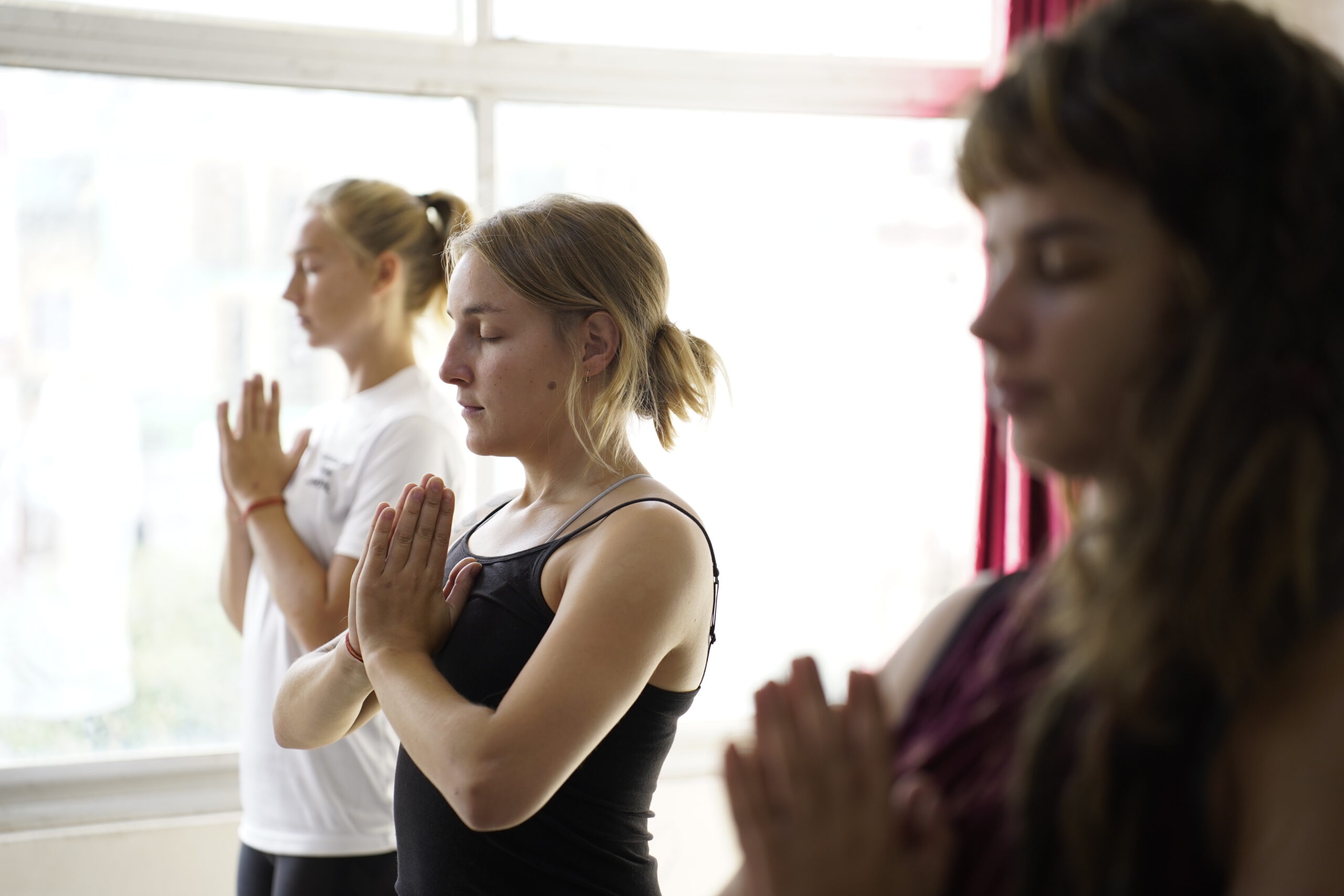
  • Ready to Teach? Your Post-yoga Teacher Training Checklist for Success

    Ready to Teach? Your Post-yoga Teacher Training Checklist for Success

    A big warm pat on the back, thumbs up, and round of applause for all the yogis who are done with their yoga teacher training course; that in itself is a huge feat. Cultivate the qualities of taking deep breaths and smiling as you are here now after a successful go-through of this difficult task.

    This journey wasn’t easy. You spent countless hours studying, reviewing, and expanding the scope of your practice as well as the intensity of your physical and mental training. But guess what? You did it! Once again, you are ready to pass on the light to others who have the knowledge and experience of yoga.

    Thus, the path now available is filled with images of opportunities. It’s your opportunity to encourage young people to start practicing this beautiful discipline, build a healthy and strong yoga community, and enhance your own practice. The yoga teaching profession is at a thrilling age, and it is our privilege to help you plan the next one.

    So let’s begin to know the five things that you can do after completing your yoga teacher training.

    Celebrate, Recharge, and Remember: Learning Never Ends

    Let’s be honest: It is worth noting that yoga teacher training is not a walk in the park! You have enrolled your mind in an information university, tested your body to its limits, and probably found new muscles that you did not know you had. Before proceeding, take time to congratulate yourself, for this is the reward for all your hard work, effort, and commitment. You deserve it!

    Before you jump into the teaching chair and demonstrate every downward-facing dog pose to all your students, do not forget to take care of yourself during this transition. Such a break helps; let yourself have some time to rest. Try doing an Artsar yoga session, going for a nature walk, or just enjoying a guilt-free nap (Savasana, anyone?).

    When a teacher gets adequate rest, it means that he or she will be much more effective in teaching the students as compared to a teacher who is so exhausted. This point was frequently put up in the interviews conducted, as it is necessary to give your mind and body an adequate amount of rest and enjoy the time being.

    Here’s the thing about yoga teacher training: That is just the tip of the iceberg! The sphere of yoga is also extensive and still developing. Encourage the idea of continued learning for a person when he or she is no longer in that position.

    Go to workshops, try new styles of practicing, and be interested in the philosophy and practice of yoga. This process of learning will also positively affect your students and, at the same time, help you to continue updating your own practice.

    Deepen Your Personal Practice: Stay Lit From Within

    There is one thing that you should always remember, even after the completion of your yoga teacher training course: never let the inner spark of passion fade. This will help you maintain a strong personal practice that will ultimately result in you becoming a truly exceptional yoga teacher and will allow you to:

    • Refine your skills and alignment: Unlike reading about a famous painter and seeing a copy of a painting, there is something primal that occurs in witnessing, reading about, or acting on one’s own observation of a pose, which assists in the teaching process as knowledge when you are a little further down the ‘practice road.’
    • Stay connected to your breath. Yoga involves many other things apart from the physical exercises. On this schedule, it becomes easier to develop the practice of focusing on the breath, which is an essential tool used in counteracting stress and keeping one’s concentration high, as well as promoting its consistent use, which is desirable for the development of a teacher and passing on to students.
    • Embrace the student mindset: Practicing yoga as a student is an effective way of maintaining humility while stepping into your classroom. This allows you to face the daily challenges as well as meet the enthusiasm of your students. It will also resolve into making you more patient and understanding, which will make you a more relatable teacher.

    Making Time for Your Mat:

    As we can understand, it is always challenging to create a new habit within the framework of teaching. Here are some tips for creating a consistent practice that fits your busy schedule:

    • Start small: Ideally, it is more effective to, for example, have 15-20 minutes of practice on most days of the week, not one hour on one day of the week. Consistency is key!
    • Find your ideal time. Find out whether you are more of a morning person and need something to wake you up or whether you are more of a night person and need help to wind down.
    • Embrace variety: It is always nice to switch between various types of yoga (Yin, Vinyasa, and restorative) and find the one that suits you at the moment best.
    • Make it a ritual. Design an area exclusively for the practice, no matter how small it is; it could be the corner of your room. Light a candle, set an intention, and let the vibe of the intent occur.

    The benefits flow both ways:

    A strong personal practice is not an ego trip; it is for the betterment of each teacher and is directly linked to teaching. You will give off a feeling that is so good that your students will want to transfer it to others.

    Further, by feeling the impact and effecting the transformations in your own practice on the yoga mat, you will be in a better position to facilitate your students’ yoga process. Thus, spread your mat, take a seat, touch your soul and the inner yogi, and let your bulb glow!

    Build Your Teaching Skills and Confidence: Practice Makes Progress!

    Congratulations! You now have your personal yoga routine down pat, but the real deal is when you then teach it to other people. It is the right time to develop the teaching abilities and to gain the self-assurance to come up with motivational classes.

    While landing your dream studio gig might be the ultimate goal, remember: Yes, this practice is making progress! Here are some creative ways to gain valuable teaching experience outside the traditional studio setting:

    • Spread the Yoga Love in Your Community: Offer your teaching skills at community and senior centres or in rehabilitation centres. This enables you to shape the sequencing, communication, and need to address the various clients individually.
    • Gather Your Tribe: Provide the services of the classes for free or take donations from friends and family. It opens a door for the learner to practice, get some responses, and be more confident while doing the actual yoga teacher training course.
    • Embrace the Digital Yogi Life: Research sites that can help a teacher teach students. Remember, safety is paramount. One should only deal with reputable sites that have appropriate measures for sorting and selecting their candidates.

    Beyond the Mat:

    In building a teaching repertoire, you cannot just confine yourself to leading a yoga teacher training class. Consider these additional avenues for growth:

    • Workshops and masterclasses: Surround yourself with the knowledge of instructors who have been around the block a few times. It is great to have workshops to be trained on new skills; maybe insert the new techniques for teaching or meet other yogis.
    • Assist Established Teachers: Propose to help a professional teacher in his or her studio. This means that one should be able to watch how a teacher instructs the students, how they interact with them, and how they conduct the yoga teacher training class. This invaluable experience will contribute to your own teaching development to a greater extent.

    It is important to remember that yoga teaching career development is a step-by-step process, and becoming a confident, sought-after yoga instructor takes time and hard work. Create learning moments out of all opportunities to practice and implement the acquired knowledge. In the near future, you will be delivering invigorating classes with the same passion and understanding that shaped your yoga journey.

    Network and Connect with the Yoga Community: You’re Not Alone!

    Yoga teachers do not walk alone on the path. The growth and wellbeing of any yoga professional highly depend on the network you create within the yoga community. Here’s why:

    • Support and Inspiration: Be with like-minded people who will support your interest in yoga. This network can provide a lot of help, exchange lesson plans, and motivate you throughout your teaching practice.
    • Collaboration Opportunities: Relationships with other teachers imply opportunities for interesting cooperation: collaboration in creating teachers’ worships, visiting each other’s yoga teacher training classes to give several classes there, or creating together online yoga classes.
    • Studio Leads and Referrals: Connections A good network within that particular region can help one get teaching positions at the studios one looks up to. Another informal technique that is quite influential is getting positive recommendations from other yoga teachers.

    Cultivating Your Yoga Tribe:

    At the present, there are so many methods through which one can interact with the active members of the yoga club. Here are a few ideas to get you started:

    • Hit the Local Yoga Scene: Go to as many workshops, yoga festivals, and any other occasion that is being staged in your region as possible. These assemblies present an opportunity to meet other yoga enthusiasts, interact with tutors, and learn about new approaches to the art of yoga.
    • Join the Online Conversation: Online yoga teacher training forums should also be of great help. Post your opinions here, have more knowledge in discussions, and be friends with yogis from all over the world.
    • Embrace Social Media: There is a list of recommendations for promoting your yoga practice, including Instagram and Facebook accounts to demonstrate your practice, post inspiring contents, and find like-minded people.

    Building a Secure Foundation:

    When approaching the process of becoming a teacher, think about whether yoga insurance is necessary. It shields you and your students in instances where there might be accidents with the kids falling and getting injuries.

    Even if it merits a stand-alone blog post on yoga insurance, remember to take your time to do your homework on the best insurance plan to go for. Yoga takes time to study properly before you make your plans, so consider that while selecting an insurance policy.

    That is why it is most important to remember that it requires time and effort in order to create a good network. Hold back, be natural, and engage yourself in the yoga community. Very soon, you will have strong support from a network that will enable you to grow as a yoga teacher!

    Conclusion: Take action and keep growing!

    A long way you have come, Yogi. Take a moment to celebrate this incredible achievement: you are a certified yoga teacher after finishing your yoga teacher training and are thus able to teach others about the miracle of yoga. When switching from one environment to another, ensure you, too, focus on developing your practice. With regular practice, you keep your muscles fine-tuned, your mind focused, and your link with yoga in tact.

    It is never advised to sit and wait for the perfect moment; strive to gain more teaching experience! Free, network, or spend hours on practice utilising the services of volunteers, finding like-minded people, or going online. Manage the network of the yoga community, go to some meetings and workshops, and get to know more teachers. Do not surround yourself with people that will dull your light on this journey; get a squad that will support you.

    It would seem that the yoga world would like to get to know you and your passion. So, take action! Go start that free class you always wanted to, or just simply call your studio. Just always bear in mind that, in terms of teachers, the best are those who continue to learn. Stay learning, keep the fire burning within, and prepare yourself for your yoga teaching journey. You can do this!

    Get in Touch:
    Best Yoga Teacher Training In Bali | 100 Hour Yoga Teacher Training In Bali | 200 Hour Yoga Teacher Training In Bali

  • 100 Hour, 200 Hour, 300 Hour Yoga Teacher Training in Bali: What’s the Difference?

    100 Hour, 200 Hour, 300 Hour Yoga Teacher Training in Bali: What’s the Difference?

    Has the bandwagon effect in the practice of yoga gotten a hold of you? It’s no surprise! Yoga includes elements of physical activity, meditation, and stress management, which makes it an ideal practice for the contemporary, high-stress lifestyle. But maybe you have had a stronger urge to teach this practice to others. If so, you might be considering best yoga teacher training in Bali.

    Here is where things get interesting. For you to be accredited as an experienced yoga instructor, yoga teacher training programmes are of different seasons, with the normally observable being 100 hour yoga teacher training in Bali, 200 hour yoga teacher training in Bali, and 300 hour yoga teacher training in Bali. This might leave you wondering: What may be the distinction? Which programme is right for you?

    That is why selecting the right yoga teacher training programme could be the key. It is an investment in your accumulation of knowledge and skills and, therefore, in your capacity to help others on their yoga journey. No worries; we are here to make it easier for you! Here is the lowdown on selecting the right 100, 200, and 300-hour YTT programmes, so you can transform and start your journey to ending up being a certified and lively yoga teacher.

    Decoding the Hours: A Deep Dive into Each Programme

    Now that we have discussed the basic structure of each Yoga Teacher Training (YTT) programmeme based on the number of hours, let’s look at what you can expect from each programmeme, from the basics to the practice, in order to make an informed decision:

    100-Hour Yoga Teacher Training: Building a Foundation

    This programme is to provide the basic knowledge of yoga to those who wish to be yoga teachers. You can simply go for this YTT course. If you are an individual who is only interested in the practice of yoga or a participant who wants to know more about yoga and is eager to train others in their path, here’s a breakdown of what you’ll encounter:

    • Yoga Philosophy: While studying, you need to build yourself up for the learning of the basic structure of yoga, including Ashtanga Yoga (the eight limbs of yoga) as well as the Yamas and Niyamas (rules of how to behave). This will give a basic depth of knowledge of the philosophy that forms the basis of physical practice.
    • Asana (Posture) Practice: In this stage, you will explore some of the basics of safe and effective posture practice. This includes certain alignment principles that are correct for a number of fundamental postures, so that your own practice as well as future students’ will be safe.
    • Pranayama (Breathing Techniques): Knowing what breath is in terms of practicing yoga and thinking about the basic principles of pranayama. This will develop your self-awareness and readiness to instruct other people to apply breath as a link between motion and meditative practice.
    • Teaching Methodology (Limited): Despite this programme not providing profound teaching training, it is possible that you get elementary notions in basic class sequencing and in ensuring the comfort of the students.

    Benefits:

    • Having an understanding of the principles of yoga means getting the essential ideas of various positions and breathing techniques.
    • Gain confidence in your own practice, and use teaching as a possibility.
    • May be less expensive and require slightly less time in the early stages of the learning process.

    Limitations:

    • Will not make you a qualified teacher to teach in all studios, especially studios that ask for a 200-hour yoga teacher training.
    • May not fully equip you for dealing with the requirements and characteristics of students that would be present in a teaching situation.
    • This might make you unsure of how to lead classes because not much emphasis has been placed on teaching methods.

    200-Hour Yoga Teacher Training in Bali: The Gold Standard

    WhatsApp-Image-2024-03-04-at-6.46.23-PM

    To gain the basic and recognised qualification to teach yoga, the 200-hour Yoga teacher training is regarded as the standard. This programme offers you a broad background that enables you to effectively conduct entry-level and primary-level yoga.

    • In-depth Asana Practice: You will get detailed information on how to do it with proper correction on alignment, various styles, and approaches depending on the needs of the participants with respect to their physical fitness, size, and strength.
    • Pranayama Exploration: You will also take it to the next level and study more of the pranayama techniques with a view to understanding the different impacts that they have on the body and the whole system.
    • Yoga Anatomy: Make sure you have adequate knowledge of the human body as concerning the various yoga poses. All this knowledge is important to avoid undesired outcomes for yourself as a teacher and for your students.
    • Teaching Methodology: This is indeed the most commendable aspect of the programme in question. You will acquire basic teaching techniques such as the flow of classes, teaching tips, variations (to correct clients’ postures), and establishing an environment that accepts everybody into a yoga class.
    • Practice Teaching: For teaching practice, you should anticipate chances to teach under the supervision of senior teachers. This is very beneficial for developing confidence and receiving feedback before conducting one’s own classes.

    Benefits:

    • It enables you to teach at most yoga studios, meaning that you will be qualified to teach in these studios.
    • Offers a simple yet detailed base to guide new teachers to effectively instruct novice and intermediate-level yoga classes.
    • Provides you with a chance to practice teaching, thus equipping you with the necessary teaching skills and experience.

    Considerations:

    • It takes more time compared to the 100-hour yoga teacher training programmeme and is thus an even more exhaustive programmeme.
    • May require more financial investment as compared to other types of training methods because of the comprehensive nature of the training that is undertaken.

    300-Hour Yoga Teacher Training in Bali: Deepen Your Expertise

    It is an exclusive programme for the continuous learning of yoga for those who are already planning to teach or practice yoga for a longer period of time. It’s appropriate if one wants to stick to a particular style of teaching or to teach a variety of students.

    • Advanced Asana Exploration: Build upon the previous lesson by practicing more advanced postures, derivative positions, and options for execution or adaptation. This may lead to learning about certain kinds of styles, such as foras, nstancinstance, or yin yoga, thus enriching the teacher’s knowledge.
    • Yoga Philosophy Deep Dive: Enhance your knowledge of yoga philosophy by studying various traditions and incorporating those concepts into your lesson plans.
    • Teaching Diverse Populations: Understand how to change and adapt a variety of classroom practices in order to address all learners’ needs. This could be prenatal yoga, yoga for injured individuals, or yoga for the elderly.

    Benefits:

    • Provides one with the ability to take and teach higher-level yoga classes and be able to handle and accommodate more students.
    • It enables the possibility of establishing one’s own specialisation in a certain yoga style, which may lead to opportunities for teaching that particular style.
    • It expands your knowledge and insight into the art of yoga and helps make your teaching more effective.

    Considerations:

    • This training is reserved for graduates of a 200-hour yoga teacher training initial program. This helps you build a strong background and understanding that will prepare you for the more complex ideas that you may come across later.
    • It takes a lot of time, and if it is unsatisfactory, it will cost a lot of money as well. It’s worthy of note that a 300-hour YTT is quite intensive, so ensure that you have set your goal correctly and that you can afford to take a programme this heavy.

    Remember, the criteria for searching for the correct YTT programme depend on your personal interest, experience level, and purpose. This breakdown gives you a point from which you can start your research. In the next section, we will look at other factors to be considered in order to make the right decision.

    Beyond the Hours: Additional Factors to Consider

    Selecting the appropriate YTT programme is not just about the number of hours; hence, there are some significant considerations. Here are some additional factors to consider to ensure you find the perfect fit for your journey:

    Your Yoga Experience:

    • Beginner: However, for beginners, a 100-hour yoga teacher training programmeme may be a good start towards providing a solid ground for the more intensive programmeme.
    • Intermediate: Hence, considering that the person already has a solid foundation, a 200-hour yoga teacher training could be ideal for transitioning into a teaching career.
    • Advanced: For experienced practitioners, a 3300-hour yoga teacher training programme gives them an opportunity to go deeper and probably have a style in their practice.

    Teaching Goals:

    • General Classes: A 200-hour YTT prepares you to teach general-level classes, right from beginners to intermediate classes.
    • Style Specialisation: For instance, if you are fascinated with a given type of practice known as Vinyasa or Yin yoga, then a 300-hour yoga teacher training programme with an emphasis would come in handy in becoming an expert.
    • Specific Population: If you are interested in teaching these types of classes, then be sure to seek out programmes that offer courses in prenatal yoga, yoga for injuries, or yoga for seniors.

    Learning Style:

    • Traditional in-person: This provides a more organised and systematic way of learning and direct contact with teachers as well as fellow students.
    • Online Programme: Allows for good scheduling but brings the disadvantage of self-discipline and probably less of the actual practice. Think of an example where a programme will be taken online and reinforced by face-to-face meetings.

    Cost and time commitment:

    • Determine the cost of the research programmeme, as this will include the tuition fees, the cost of the learning material, and costs related to travel and accommodation in cases where the programmeme will be conducted physically.
    • Think about the length of the programme and its relation to your schedule. Some programmes have intensive versions, and some are spaced out over months.

    Accreditation and affiliation:

    • The Yoga Alliance is among the most famous international yoga organizations. It is advised to graduate from a programme that is registered with the Yoga Alliance, since it may be advantageous if you intend to teach in some zones. But it is not compulsory for all situations or all studios.

    When you weigh all these into the programmeme duration, you will set yourself on the right path by choosing the YTT programmeme that positions you to launch out on a fruitful and successful yoga teaching profession.

    Conclusion

    In conclusion, it is beneficial to take a closer look at the primary distinctions between 100 hour yoga teacher training in Bali, 200 hour yoga teacher training in Bali, and 300-hour yoga teacher training courses in Bali. Just as it is indicated above, a 100-hour yoga teacher training programmeme will work best for newcomers to this yogic life, and a 200-hour yoga teacher training programmeme will prepare one to be an instructor of general yoga classes.

    The third option is the 300-hour yoga teacher training programme designed for those who want to further their training and/or serve students from different groups. However, goal-oriented individuals should keep in mind that the target programme should correspond to their yoga experience and teaching objectives.

    Do not despair; out there, there is the perfect YTT programme that is designed just for you! To begin the process of your teacher training, it is advisable to use the internet and search for the available programmes in the yoga schools or studios that they offer, and it is advisable to contact the reputed schools such as Bali Yogshala or studios to get more information about the programmes that they offer in order to choose the ideal path to achieving your dream of becoming a yoga teacher.

    Get in Touch:
    Best Yoga Teacher Training In Bali | 100 Hour Yoga Teacher Training In Bali | 200 Hour Yoga Teacher Training In Bali