Dear learners,
Have you ever felt that there is more to life? That there is so much deep meaning to establish inner connection and something more serious than just following everyday hustle and bustle? Well, you are not alone. The internal compass within all of us is supposed to seek something beyond daily life, that which creates opportunities for individual growth and fulfillment—the spiritual journey to find meaning and peace in one’s inner self and connect with the greater whole.
You are probably thinking, “Spirituality? Sounds kind of deep or maybe a little woo-woo?” But trust me; it doesn’t have to be! It’s in facing those everyday moments, those little things that can turn into huge gifts.
- Have you ever felt truly present in a conversation?
- Felt deeply grateful for a small act of kindness?
- Or stood speechless in awe of nature?
These are a few examples of spirituality in action, showing up as sound and stares.
We will discuss some very basic yet effective daily routines to promote spiritual development in this post. We’ll reveal how these minor routines can help you focus your attention, find inner calm, and connect with both yourself and the world around you. Together, let’s create happier moments throughout our day!
The Power of Daily Habits: Small Seeds, Big Growth
Aren’t we amazed at how easily, on a Monday morning, we can brush our teeth with no second thought? Or how the initial thing we do is to reach for our mobile phone upon waking up? Such is the power of habit! These create patterns in our brain, which serve as easy-to-follow paths for our bodies and thoughts.
What if we made space for activities that would truly benefit us, such as being attentive and grateful or doing good deeds?. That’s where the magic of daily spiritual growth habits comes in.
Daily spiritual activities, when performed consistently, have the capacity to change our thoughts and actions, much like a plant that needs daily watering to grow to its full potential. They slowly shift our perspective on life while creating adaptability and inner strength.
So what’s the reward of this inner gardening?
- Increased Self-Awareness: Daily practices like meditation encourage you to notice thoughts and feelings within yourself, bringing in awareness and understanding in a nonjudgmental way. This self-reflection enables us to understand ourselves better, recognize our patterns, and make choices that might lead to a different outcome.
- Stress Reduction & Anxiety Relief: Overwhelmed? Daily habits like deep breathing or time in nature calm your mind and put your nervous system at ease.
- Focus & Concentration Power: Find yourself distracted easily? Mindfulness practices will retrain your mind to remain present, improving your focus and concentration both in and out of the classroom.
- Emotional Regulation: Life throws curveballs our way. Daily habits like journaling or mindful movement can help us navigate our emotions with ease and face challenges with grace.
- Empathy and Compassion Building: Caring naturally develops for both ourselves and people around us after we have found inner peace; even modest deeds of kindness soften hearts and deepen bonds.
- Explorers of Inner Peace and Joy: Imagine our everyday lives filled with joy, satisfaction, and peace. Such condition-free peace of mind can be created by regular spiritual practices.
See how they are an ambitious objective with attainable, well-defined benefits? By adding basic daily routines into our lives, we are improving a meaningful existence and making an investment in our well-being.
Read More
- The Living Blueprint: Unveiling the Human Body—A Journey Within
- Your Complete Guide to Hatha Yoga & Five Foundational Poses
- Unwind & Thrive: The Complete Guide to Child’s Pose (Balasana) for Students & Beyond
- The Core Catalyst: Unlocking Strength & Stability with the Plank Pose (Beginner to Advanced)
- What are RYT 200 and E-RYT 200?
5 Simple Daily Habits for Spiritual Growth: Let’s Get Started!
Ready to sprinkle some magic into your daily routine? Let’s jump into five small but very powerful habits that can create inner peace and awaken your spiritual growth.
- Mindfulness Meditation: Taming the Monkey Mind
Ever feel like your mind is a ceaseless, chatty being, hopping from thought to thought? You’re not alone! That’s your monkey mind in action. Mindfulness is taming that monkey—gently, softly guiding it back to the present moment.
Simply put, mindfulness means being aware of the present moment with no judgment. It means noticing and observing your thoughts, feelings, and sensations without getting caught up in them.
Feeling a little overwhelmed? Here are a few simple techniques to introduce mindfulness into your daily life:
- Deep breathing: it is as easy as it sounds! Take slow, deep breaths, focusing on each breath, how the air enters into your body, then how it goes out.
- Body scan meditation: Scan your body from head to toe, noticing any sensations—tension, warmth, or tingling.
- Guided meditation: There’s so much free guided meditation online. These are fabulous to help you start your mindfulness practice.
What could mindfulness do for you?
- A stress-buster: Do you feel overwhelmed by exams or social pressures? Then here’s where mindfulness can stop you from quitting and settle your mind.
- Focus booster: Don’t you feel you’re thinking about something else in your classes? Mindfulness will allow you to train your attention and focus.
- Insight into oneself: Mindfulness allows one to develop awareness of one’s thoughts, feelings, and emotions. Awareness of oneself is essential for understanding oneself and making conscious choices.
Now why not give it a reflex? Even so, it will seriously matter if you practice mindfulness for just a few minutes each day.
- Gratitude Practice: Shifting Your Focus
Imagine this: you wake up in the morning, the first thought striking your miserable mind being what you don’t have or what is going wrong. Doesn’t seem like a joy-filled way to begin the day.
Gratitude brings you back to the center. It is like a superpower that turns your awareness of what is lacking into an awareness of what you do have. It means counting your blessings in every phase of your life, in small measures as well as big ones.
Are you ready to cultivate the attitude of gratitude? Consider these:
- Gratitude journaling: Pick a notebook for writing. Dedicate a few minutes each day to writing down something for which you feel grateful. This may include anything: a tasty meal, a sunny day, a warm word from the neighbor.
- Appreciating: Do not keep all those feelings to yourself! Spread the word. Appreciate your teachers, friends, and families who have contributed a little joy to your life.
- Appreciation in life: Through the day, you can take brief moments in time to appreciate the good things around you. See the beauty of nature, appreciate the taste of food, and feel the sun on your skin.
So what makes gratitude so powerful?
- Shifts perspective: When you notice gratitude, you seem to view the world more positively. You start realizing the value of things around you rather than focusing on what you actually lack.
- Amplifies positive emotions: Gratitude has a magical gift; it improves moods. When the good things of life are duly appreciated, your mood naturally becomes happier and in a state of ease.
So, let’s begin a ritual of gratitude. You might be surprised by how much this comes to change your perspective of everyday events and really puts joy in your life.
- Acts of Kindness: Spreading Sunshine
Do you ever really take note of how it feels to help another person? How about the simple joy of helping one of your peers, or volunteering for a shelter in your locality, or maybe a mere smile to a stranger that can brighten our day up?
Ready to share more light?
- Random Acts of Kindness: Watch out for chances to be particularly nice to someone unexpected—hold the door open, offer to help with a few of his or her books, or leave a little note for a friend.
- Do volunteer work: Take some time to look into opportunities wherever you can volunteer in your community. You could help in an animal shelter, tutor younger students, or participate in a local clean-up.
- Offer to help someone: Be mindful of what someone might need—a teacher, a classmate, or a family member.
– Why is kindness so important?
- Builds compassion and empathy: When we are kind, we walk in someone else’s shoes for a moment and see the world through their eyes. This generates empathy and creates understanding.
- Connects people: Kindness makes connection. When we help someone, we build a sense of connectedness and belonging within a community.
Let’s realize that kindness belongs in everyday life. You never know what a little act of kindness may mean to someone, and in fact, to yourself.
- Mindful Movement: Connecting Mind & Body
Let’s be real; sometimes, just sitting there can feel a bit…well, dull! That’s why adding mindful movement into your daily routine can provide a breath of fresh air.
Mindful movement is not just about exercise; it’s the connection between mind and body through concise movements.
Ready for your move?
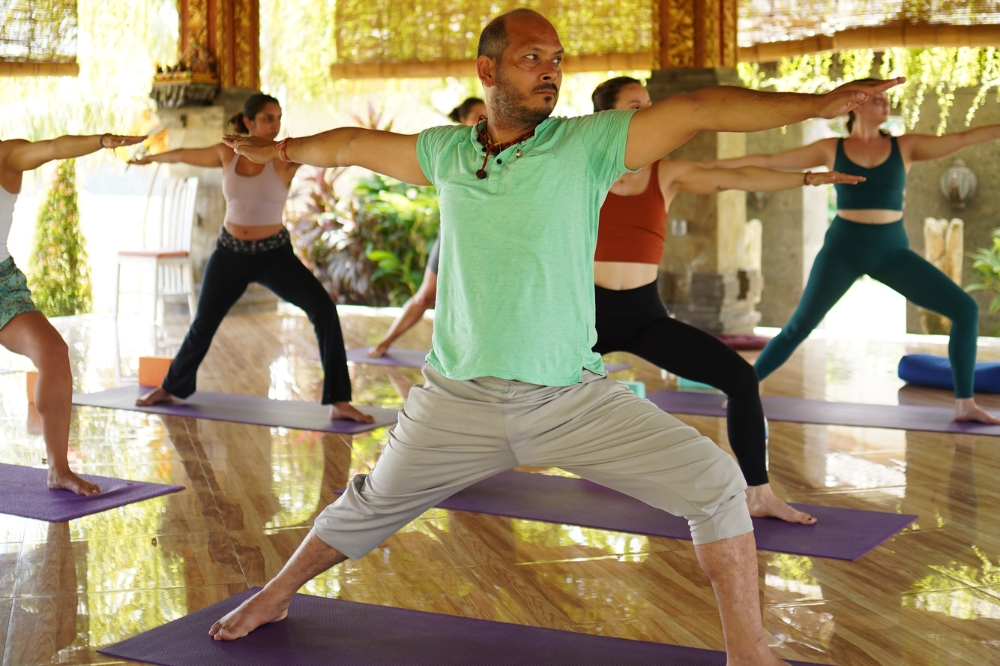
- Yoga: Yoga effectively combines postures, breathing workouts, and meditation. It is a fantastic way of improving flexibility, strength, and peace of mind. know more about yoga alliance usa certified 200 hours yoga teacher training bali
- Tai Chi: Tai Chi is a very thoughtful and amazing series of crushed, flowingly slow movements and deep breathing exercises that improve coordination, enhance balance, and reduce stress.
- Mindful Walking: Walk in nature and be present in that walk—notice all the sights, sounds, and odors around you. Feel the ground under your feet and how you’re breathing right now.
What makes mindful movement so great?
- Mind-Body Connection Powerhouse: Mindful movement allows you to become aware of your body and how it feels. There is a bridge between your mind and body that creates the balance between them.
- A Real Stress-Buster: Moving your body is considered to be a great workout for releasing stress and tension.
- Inner Peace Cultivator: Mindful movement can help soothe your mind and foster inner peace, be it within deep-breathing yoga or the gentle flowing tai chi flow.
Let the chubby lifestyle go as you do! Plan out what kind of mindful movements would suit you best. Your body and mind will repay you.
- Self-Reflection: Turning Inward
In life, things get too externalized—such as social media, schoolwork, and the all-go-go-go; it tends to get us preoccupied with life itself—yet there’s so much to how we can just relax and turn inward.
Self-reflection is like talking to yourself. From a wide perspective of what you call observing your thoughts and feelings without any judgment and inquiring into what’s really going on within you.
Are you ready for more introspection into yourself?
- The Journey Journal: Grab a journal. Write down what happened throughout your day. What were your feelings, experiences, dreams, and challenges?
- Nature’s Healing Power: Spend some time outdoors. Take a walk in a park, sit beneath a tree, watch the clouds roll by. Nature has a way of quieting the mind so that deeper reflection can take place.
- Mindfulness in Observation: Observe your thoughts and feelings and do not become caught in them throughout your day; become aware of your stress levels, your happiness, and your anxiety levels.
What value does self-reflection hold?
- Dive into Self-Awareness: Self-reflection opens you to self-awareness at a deeper tier, allowing you to notice and foster your strengths, weaknesses, values, and beliefs.
- Limiting Beliefs Buster: You can possibly note the tendency towards negative self-talk or identify limiting beliefs that are holding back your growth when you observe your thoughts from a distance.
- The Personal Growth-Inducing Nincompoop: Self-reflection will provide insights to guide one’s own development. They facilitate the connection of desire and need and encourage the growth of a true life.
So take time for self-reflection. It is an investment in oneself that can literally pay big dividends.
Integrating Spirituality into Your Life: Cultivating a Supportive Community
You are all set to include these habitive practices. But how do you summarize the school system or the busy rhythm of life?
The good news is that there are different ways to include these practices into the school setting.
- Mindfulness Breaks—a Breath of Fresh Air: Consider short mindfulness breaks sprinkled throughout the day. Deep breaths, guided meditation, or even thoughtful reflections can aid in reducing anxiety and getting back on task.
- Gratitude Within the Classroom and Work—Sharing Appreciation: Gratitude activities can be introduced in the learning process. People can say what they’re grateful for, write thank-you notes to teachers and staff, or make a “gratitude wall” to highlight positive messages.
- Community Service—Giving Back: Community service projects are an excellent way to foster compassion and empathy. Be it helping at a local shelter, cleaning up a park, or helping elderly neighbors, such projects provide relevant learning experiences.
- Yoga and Meditation Clubs: Finding Inner Peace These clubs can provide a safe space for individuals wanting to explore yoga and meditation. They can be led by students and provide the company of like-minded people.
- Mindful Movement in PE—Moving with Intention: Including mindful movement activities like yoga or tai chi in physical education classes and in office activities can help all get in touch with their bodies and develop an inner peace.
Providing a safe, nurturing setting for the growth of the spirit is of utmost importance. It indicates a growth of collective spirit, respect, broad-mindedness, and respect for one’s and another’s conviction.
Remember, spiritual life is a very personal affair built on what touches your heart and, hence, your particular individuality, your get-together movement with yourself and the universe.
Conclusion: The Journey Within
Those are five easy yet powerful traits that can set the stage for spiritual growth. Do bear in mind that it is not about perfection or any great learning. It’s the journey—the introspective journey providing a deeper sense of connection and purpose.
Try these practices for yourself. See what goes well with you! Some days you may feel more in the flow; some days you may feel more stuck. That’s okay! Make sure to keep showing up, keep practicing, and be really gentle with yourself.
This lifelong journey of self-discovery is all about inducing inner peace, cherishing each present moment, and connecting with something more significant than yourself. And the beauty of it is in small, consistent steps.
Let’s begin that journey together. Let’s build a life of mindful compassion and joy, one day at a time.
Read More about yoga courses