Tag: yoga certificate

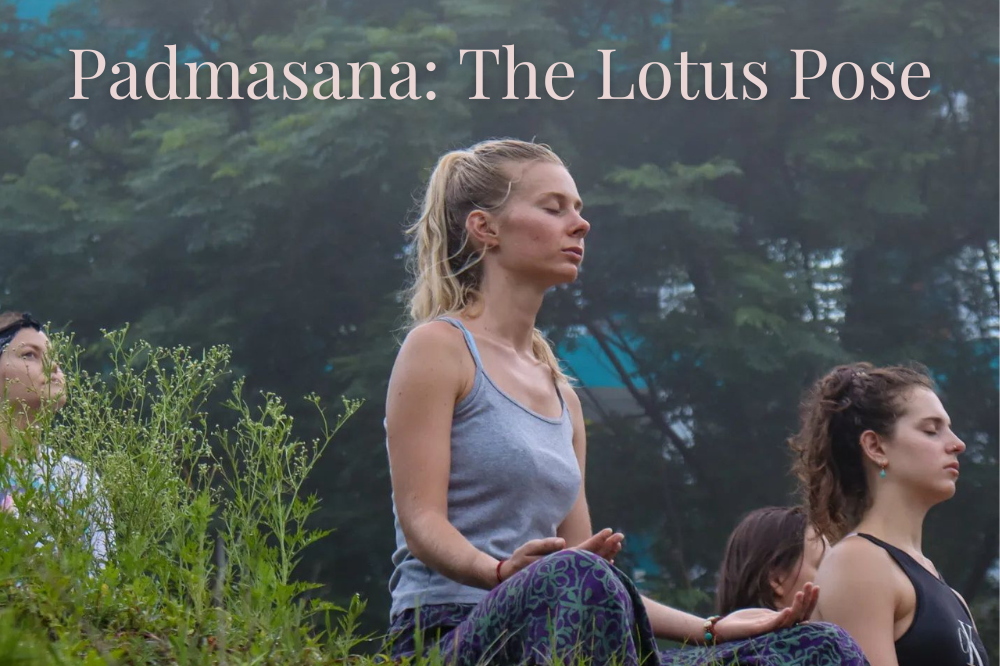
  • Padmasana: The Lotus Pose – Learn Yoga in Bali

    Padmasana: The Lotus Pose – Learn Yoga in Bali

    Historical and Spiritual Significance

    Padmasana has deep spiritual significance in various traditions, particularly in Hinduism, Buddhism, and Jainism. The pose resembles a lotus flower, which symbolizes purity and enlightenment. In Hinduism, it is believed that Lord Shiva and the meditative deity Gautama Buddha often sat in this posture. The lotus flower itself is a symbol of purity and spiritual awakening, growing beautifully even in muddy waters, representing the rise above worldly challenges.

    Physical Benefits of Padmasana

    Practicing Padmasana has numerous physical benefits:

    Improves Posture: Sitting in Padmasana aligns the spine, encouraging a natural, upright posture, which is beneficial for meditation and respiratory health.

    Enhances Flexibility: Regular practice of Padmasana stretches the knees, ankles, and hips, improving overall flexibility in the lower body.

    Promotes Circulation: This pose encourages blood flow to the pelvis, abdomen, and spine, promoting better circulation in these areas.

    Reduces Muscle Tension: Sitting in a cross-legged position helps reduce tension in the muscles, leading to relaxation and stress relief.

    Aids in Digestion: The pressure exerted on the lower abdomen can help stimulate digestive organs, potentially improving digestion.

    Mental and Emotional Benefits of Padmasana

    Beyond physical benefits, Padmasana is highly regarded for its mental and emotional advantages:

    Enhances Concentration: By promoting a stable and balanced posture, Padmasana helps in calming the mind, making it easier to concentrate and meditate.

    Reduces Anxiety and Stress: The meditative aspect of this pose helps in reducing anxiety and stress, fostering a sense of peace and tranquility.

    Balances Energy: It is believed that Padmasana balances the chakras, particularly the Muladhara (root) chakra and the Sahasrara (crown) chakra, facilitating the flow of energy throughout the body.

    Encourages Mindfulness: Practicing Padmasana encourages mindfulness and awareness of the present moment, enhancing mental clarity and emotional stability.

    How to Perform Padmasana

    Preparation:

    Sit on a mat with your legs stretched out in front of you. Ensure your spine is erect and your shoulders are relaxed.

    Entering the Padmasana Pose:

    • Bend your right knee and place your right foot on your left thigh. The sole of the foot should point upward, and the heel should be close to the abdomen.
    • Bend your left knee and place your left foot on your right thigh, ensuring both feet are as close to the body as possible.
    • Place your hands on your knees in a mudra (hand gesture) of your choice, such as Chin Mudra or Jnana Mudra.

    Maintaining the Padmasana Pose:

    • Keep your back straight and head aligned with your spine.
    • Close your eyes and take deep, slow breaths.
    • Stay in this position for as long as comfortable, gradually increasing the duration with practice.

    Exiting the Padmasana Pose:

    • Gently release your left leg, followed by your right leg, and return to a sitting position with your legs stretched out in front of you.

    Precautions and Contraindications:

    While Padmasana offers numerous benefits, it is important to approach it with caution, especially for beginners:

    • Avoid if you have knee or ankle injuries: Individuals with knee or ankle issues should avoid Padmasana or practice it under the guidance of an experienced instructor.
    • Do not force the pose: Forcing the legs into the position can lead to strain or injury. It is important to gradually work on hip flexibility before attempting full Padmasana.
    • Pregnancy: Pregnant women should consult with their healthcare provider before practicing Padmasana.

    Conclusion:

    Padmasana is a powerful pose that transcends physical exercise, offering profound mental and spiritual benefits. Regular practice of the Lotus Pose can lead to improved physical health, enhanced mental clarity, and a deeper sense of inner peace. As with any yoga practice, it is essential to approach Padmasana with mindfulness and respect for your body’s limitations.

    Learn yoga in Bali and experience the transformative power of Padmasana. Join us at Bali Yog Shala for a holistic journey into the heart of yoga.

    Get in Touch:
    Best Yoga Teacher Training In Bali | 100 Hour Yoga Teacher Training In Bali | 200 Hour Yoga Teacher Training In Bali

  • A Day in the Life of Yoga Teacher Training Student

    A Day in the Life of Yoga Teacher Training Student

    You are embarking on the best yoga teacher training in Bali with Bali Yogshala. You get to experience many wondrous moments. Apart from giving you enough knowledge and skills in yoga, we also help in your personal growth.

    As a student of Bali Yogshala, you get to explore numerous aspects of yoga, spirituality, nature, and surroundings. Now, if you want to know more on a day of Bali Yog shala’s yoga teacher training students, browse the blog further.

    Start with Vedic Hawan

    Yoga aspirants start their yoga teacher training in Bali at Bali Yogshala with Vedic Hawan or Fire Altar Ceremony. It is a traditional ritual rooted in Vedic tradition and holds great importance in the practice of yoga.

    With this ceremony, practitioners harness the sacred and purifying energies into their lives that help in their transformation, invoking blessings from the divine forces. The rhythmic chanting of mantras, the offering of ghee, herbs, and grains into the fire, and the collective prayers create an atmosphere of reverence and spiritual upliftment.

    Vedic Hawan serves as a powerful tool for purifying the mind, body, and spirit, fostering inner peace, harmony, and connection with the higher consciousness, making it an integral part of the yogic journey.

    Now, let’s move to the day of a yoga student during their yoga teacher training in Bali at Bali Yogshala.

    Pranayama

    A day at the best yoga training in Bali starts with a 30-minute morning Pranayama Session. It is a refreshing session that helps you in starting your day with clarity and vitality.

    With the rejuvenating practice of breathing techniques, practitioners stimulate energy flow, oxygenate the body, and calm the mind. Yoga students during the practice cultivate a sense of centeredness and presence.

    Morning sessions of pranayama prepare students to embrace the day with focus, balance, and inner peace.

    Ashtanga Practice

    After clearing the nostrils blockage and inhaling the fresh air, now it’s time for a 1 hour and 30 minutes session of Ashtanga practice during Bali Yogshala’s yoga teacher training in Bali.

    Ashtanga or Eight Limbs Yoga is a dynamic form of yoga which synchronizes breath with a step of postures. It generates internal heat that helps in detoxifying the body.

    The practice cultivates strength, flexibility, and mindfulness through a structured sequence of poses.

    Breakfast

    After 2 hours of practice, now it’s time to gain enough energy for your body. Bali Yogshala serves fresh and hygienic meals to its students by focusing on the nutritional value of the food.

    You all get to eat with your fellow mates where you don’t just eat the meals but also create memories with your friends.

    Yoga Philosophy

    You are attending the best yoga teacher training in Bali with Bali Yogshala, so, it is obvious that we don’t focus on a single aspect. Besides practical classes, we also emphasize theoretical classes.

    During the 1 hour class on yoga philosophy, students get to know about the ancient wisdom of various yogic texts such as the Yoga Sutras, Bhagavad Gita, and so on.

    Hatha & Vinyasa Practice

    After half an hour, students get prepared for Hatha & Vinyasa yoga practice. The practice of Hatha yoga focuses on static poses and breathwork. It goes with alignment, strength, and flexibility.

    On the other hand, the Vinyasa class creates dynamic movements and flowing sequences. The class will be 1:30 hour long where you learn under the guidance of veteran professionals and instructors.

    Lunch

    12:30 to 2 PM is fixed for a lunch break. Wash your hands and get ready to eat with your fellow mates. Eating together fosters social bonds and strengthens relationships.

    A hygienic Sattvic meal is provided to the students as it is considered the best for performing physical activities like yoga.

    Ayurveda & Chakra

    The yoga teacher training in Bali by Bali Yogshala includes a class on Ayurveda and Chakra where you get to know about them deeply.

    Ayurveda is an ancient and holistic medicinal science which originated from nature. It states that every cure is present in nature, we just have to follow some rules to stay fit and healthy.

    In a Chakras class, yoga aspirants explore the energy centers within the body, learning about their significance, functions, and associated practices such as meditation and yoga poses.

    Anatomy and Alignment

    The evening class of Anatomy and Alignment covers essential information on various aspects. It describes the mechanics of the human body, focusing on how bones, muscles, and joints interact in yoga postures.

    Through detailed instruction and hands-on exploration, students learn proper alignment principles to prevent injury, enhance performance, and deepen their practice.

    Understanding the anatomical aspects of each pose empowers practitioners to tailor their practice to their individual needs, promoting safety, efficacy, and mindfulness on the mat.

    Yin Yoga

    The 1 hour and 30 minutes class of Yin Yoga lets participants engage in a slow-paced practice that targets the deep connective tissues of the body, promoting flexibility, relaxation, and inner awareness.

    Yin Yoga offers a meditative experience that cultivates patience, mindfulness, and a sense of calm.

    Meditation

    The last class of the day will be 30 30-minute Meditation class. During this, students cultivate inner peace through guided meditation practices.

    Practicing this helps you let go of all the negative thoughts and frees your mind with boundaries. You feel relaxed with this.

    Dinner

    After all the practices, take your dinner with your friends and fellow mates and engage in a talkative session to create memories.

    Get in Touch:
    Best Yoga Teacher Training In Bali | 100 Hour Yoga Teacher Training In Bali | 200 Hour Yoga Teacher Training In Bali