Course Summary
Overview of the 300 Hour Yoga Teacher Training in Bali
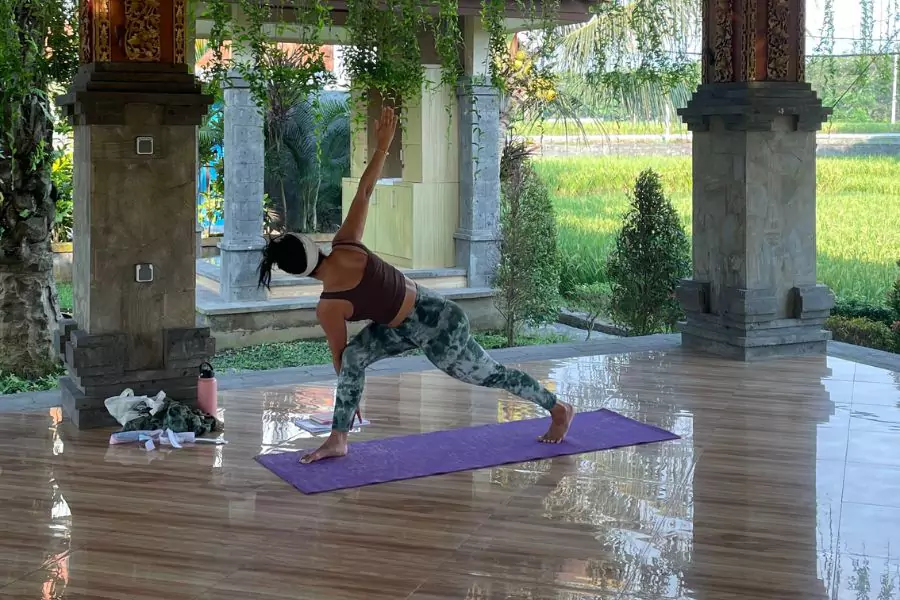
The 300 Hour TTC in Bali is an advanced programme for yoga practitioners and teachers who want to deepen their knowledge and build on their existing yoga foundation. This program combines an understanding of the traditional yoga studies and practice with hands-on training.
This program encourages more advanced yoga practitioners to refine their practice and develop their teaching skills even further. Students will learn and experience the following:
- Advanced Hatha Yoga
- Ashtanga Yoga
- Vinyasa Yoga
- Pranayama
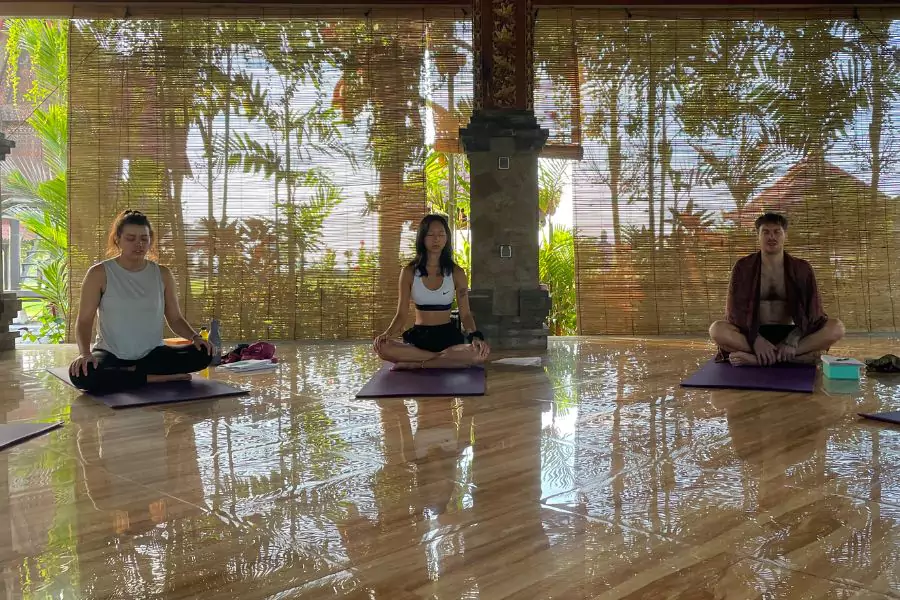
- Meditation
- Yoga Philosophy
- Anatomy and Physiology
- Alignment and Adjustments
- Teaching Methodology
- Sequencing
- Mantra Chanting
- Mudras and Bandhas
- Subtle Body Awareness
- Traditional Yogic Practices
The 300 Hour Yoga Teacher Training in Bali is designed to take participants on the next level of yoga practice, yoga philosophy, yoga breath work and meditation, and then add in the teaching methodology and combine it with what was learned at the 200 Hour Yoga Teacher Training in Bali.
A Deeper Journey Into the Yogic Way of Life
Yoga includes so much more than just the physical aspect of postures. The 300 Hour Yoga Teacher Training in Bali teaches participants the other dimensions of yoga which include asana, pranayama, meditation, philosophy, teaching methods, and anatomy. The techniques to support your practice and offer individualized learning opportunities will be provided to help students develop their awareness and confidence.
Focused learning is enhanced when students place themselves in a calm and tranquil environment such as Bali. It helps personal development and overall practice enhancement, and supports and helps people learn to incorporate the principles of yoga into everyday activities.
Why Choose Our 300 Hour Yoga Teacher Training in Bali?
Deepen Your Existing Yoga Knowledge
A 300-hour curriculum offers the flexibility to go beyond an advanced level yoga teaching program and explore topics that only begin to be covered in the shorter duration programs. You can review the practices that you have encountered numerous times, explore the reasons behind those practices, and create a holistic understanding of the intricacies of the different aspects of the various practices of Yoga. The objective is not to dedicate excessive time to memorization and recitation, but help students understand the concepts and enable them to apply the knowledge in practical situations.
Develop More Confident Teaching Skills
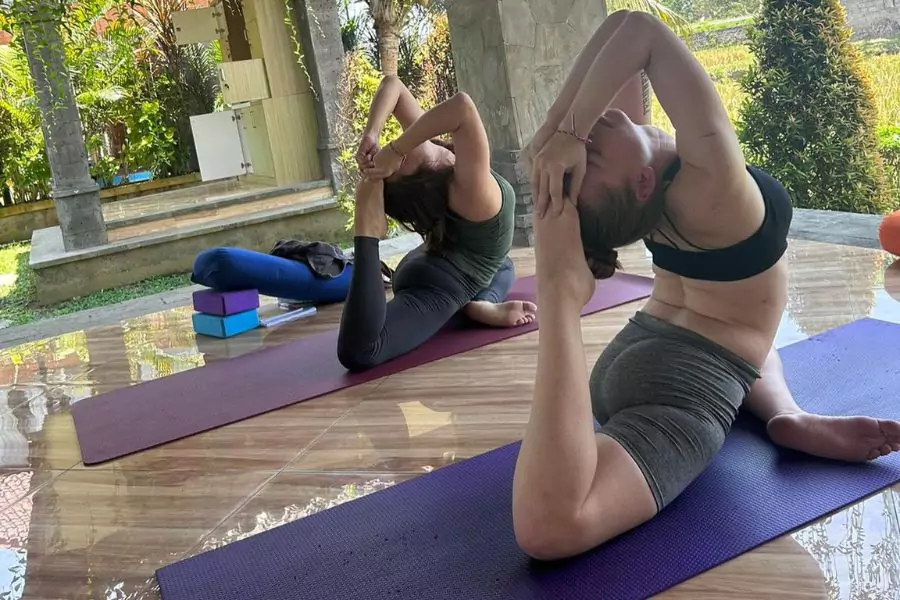
Yoga education incorporates many elements beyond the practice of yoga. Understanding the art of observation of the students, expression when explaining the techniques and providing instructions in a clear fashion, safe adjustments, careful sequencing, and demonstration of the techniques are all essential aspects of the teaching of Yoga. During the training, each student will be afforded numerous opportunities to practice and develop these elements of teaching yoga. This often helps to overcome the anxiety of teaching.
Explore a Multi-Style Approach
The programme exposes students to all styles of yoga as well as contemporary approaches and practices. This approach helps students to differentiate the influence of each style on movement, pranayama (breath), concentration, and teaching. The 300 Hours Multi-Style TTC Course in Bali encourages students to train in a variety of styles as opposed to only one, and focuses on the broadening of their education. Different approaches can help a teacher to be more flexible in their approach as they work with students of varying abilities, needs, and learning preferences.
Learn Through Practice and Reflection
The key element of advanced training is not just simply attending lectures. Concepts can only be appreciated by students through regular practice. Reflection is key and as you continue to practice, you begin to understand your habits and realize your limitations and your strengths as well as areas for development. This reflects the importance of training and practice combined with reflection on the principles of yoga.
Study in a Peaceful Bali Environment
The environment you choose to learn in can be a major influence on your ability to practice and retain a commitment to your practice. The climate and culture of Bali is an inspiration to yoga practice and students can create space from their regular distractions to allow them to focus on the practice of yoga. The peaceful environment can support you during self-reflection, meditation, daily practice and help you to forge connections with other practitioners.
Yoga Styles You Will Explore During the 300 Hour Yoga Teacher Training in Bali
Our 300 Hour Yoga Teacher Training in Bali is distinctive with its inclusive approach to multiple styles. Students on this program get a chance to explore different yoga styles to deepen their understanding of the different perspectives and features that make up the yoga educational structure.
Hatha Yoga
Hatha Yoga has the power to ground and strengthen a practitioner's mindfulness. Students of this style refine their practice in Posture, Alignment, Stability, and Awareness while developing a deeper understanding of the practice of Asana.
Ashtanga Yoga
The more energetic and disciplined style of Ashtanga Yoga makes for a stronger practice. This is the result of the combination of breath and movement through defined sequences. Anchor. Awareness and rehearsed concentration and strength are sustained.
Vinyasa Yoga
Vinyasa Yoga focuses on the awareness of breath in concert with movement. Through sequences of postures that stimulate transitions, students learn order and methodological control with an equal awareness of breathing.
Yin Yoga
Yin Yoga is a style of practice that is slower and more meditative. Focus is on the awareness of being and the relaxing of being through the mastery of stillness.
Experiencing different styles helps students develop a more adaptable understanding of yoga and gives aspiring teachers a broader foundation from which to build their own teaching approach.
Who Should Join the 300 Hour Yoga Teacher Training in Bali?
This course is made for practitioners with a basic understanding of yoga looking to take their practice to the next level. It can be incredibly useful for students who have gone through the basics of teacher training looking to pursue more advanced learning.
The course is suitable for:
Yoga teachers looking to develop their knowledge
Practitioners looking for advanced yoga studies
Advances their skills of sequencing and instruction
Those wish to learn about other yoga styles
Those who want more understanding of yoga philosophy and modalities
Those who work in the health and wellness profession and want to further their studies on yoga
Practitioners wishing for personal development and growth in their practice
A strong interest in yoga, willingness to practise regularly, and an open approach to learning are essential for making the most of the programme.
Skill Level and Eligibility
Our 300 Hour Advanced Yoga Teacher Training is designed for intermediate and advanced students. This training is appropriate for students who have completed some basic Yoga teacher training and have been practicing Yoga for at least some time. Understanding the basics of asanas, pranayama, and minutiae of meditation is beneficial, but not required.
You do not have to be such an advanced level yogi to participate in this program. The practice is done on an individual basis and you are not going to be compared to others. The aim is not to push your body beyond its natural limits.
This program is designed to help students deepen their knowledge of yoga through regular practice, studying, observing, and teaching.
Students are encouraged to approach the programme with:
- A consistent interest in yoga
- A willingness to learn and practise
- Respect for traditional teachings
- Openness to feedback
- Commitment to the course routine
- Interest in developing teaching skills
- A mindful and responsible approach to practice
Learn, Practice & Experience Yoga in Bali
Learn, Practice & Experience Yoga in Bali
Bali is the perfect place to escape from the distractions of work and social obligations and focus on the more important things in life, such as learning, practicing, and growing. Bali Yogshala's balanced routine integrates practice, theory, meditation, self-study, and reflection.
Practice, Study & Growth
Practicing yoga and meditation with like minded individuals encourages growth and positively influences your practice. The Bali Yogshala offers you the opportunity to do the 300 Hour Yoga Teacher Training program. It gives students a safe, peaceful, and supportive place where you can introspect, go deeply into your subconscious, and better understand yourself.
What Will You Gain From the 300 Hour Yoga Teacher Training in Bali?
The 300 hour teacher training is more than just something to add to your resume. It is an opportunity to develop your knowledge and your practice, helping you become a more well rounded, confident yoga instructor.
Deeper Understanding of Yoga
Yoga asana, yoga philosophy, and pranayama are studied and practiced in combination with other concepts and the traditional yoga practices, meditation, and anatomy. Instead of focusing on the practices themselves, you learn the interconnectivity of the different practices of yoga and how they relate to each other.
Improved Personal Practice
Understanding and developing your practice more will help develop awareness, not only in your body, but also your breathing and how your body responds to different techniques. This awareness will help you to develop your practice with confidence and intent focus.
Stronger Teaching Skills
Your teaching skills will develop through teaching methodology, sequencing, and observation during practical teaching sessions. You learn to take your practice and understanding to the next level, and play with how other people may experience a given posture and practice. Additionally, you learn how to structure your practice and teaching to account for the needs of the individuals in your class.
Greater Confidence
Repeated practice and teaching opportunities provide a chance to learn from feedback and refine your approach. You will learn to experience your own practice from the perspective of someone else, and consider the effects of your actions on the people you teach.
Broader Knowledge of Yoga Styles
The multi-style approach offers the participants an opportunity to learn various methodologies and to hold a broader understanding of the various approaches to complementary styles of yoga.
Personal Growth
Daily meditation along with self-study and a disciplined routine can improve self-awareness. This process can help develop other attributes like patience, consistency, and focus, and give you a greater appreciation of your life experiences.
Certification
The 300 Hour Yoga Teacher Training Bali is ideal for those seeking to deepen their understanding of yoga, improve their practice and master teaching. Successful candidates receive a course completion certificate.
The certification is a reflection of the time, energy and dedication of the student throughout the process as well as their practical experience and growing knowledge of yoga and a boosted ability to teach or continue their chosen practice.
The certificate is an important part of completing the training, while the knowledge and experience gained during the course remain valuable as you continue to grow as a yoga practitioner and teacher.
How to Book Your 300 Hour Yoga Teacher Training in Bali
Ready to continue your yoga education? Read about the course to see if the program aligns with your experience and study goals. If you’re ready to apply, reach out to Bali Yogshala or use the registration form provided.
The Bali Yogshala team will support you throughout the enrollment process and can answer all your questions. This training is most beneficial when you’re able to dedicate yourself fully to the program and come with flexibility. The Immersion and 300 Hour Yoga Teacher Training in Bali can give you the next steps of your yoga journey with Bali Yogshala.
Continue Your Yoga Journey With Bali Yogshala
The 300 Hour Yoga Teacher Training program is meant for students who wish to take their practice and understanding of yoga even further than just the basics. This training offers students practical skills in multiple styles of yoga with the opportunity to learn and practice philosophies and techniques of anatomy, meditation, and teaching yoga.
The Bali Yogshala program offers students multiple opportunities to learn and grow while providing a supportive environment to take the next steps in practice with continuous teacher guidance. If you’re ready to develop yourself as a yoga practitioner or teacher, you can be your first student with Bali Yogshala.
Begin your advanced yoga journey in Bali and discover how deeper learning can transform the way you practise and teach yoga.